
The National Resource Center for the Transformation of Youth Justice (NRC) partners with state and local jurisdictions to develop, enhance, or reform their systems of diversion, deflection, and alternative responses to formal prosecution. Through the Diversion and Alternatives Reform Team (DART) Initiative, we help jurisdictions create collaborative, evidence-informed approaches that promote positive youth outcomes while maintaining the core principles of community safety, accountability, reduction of risk, and victim rights.
Informed by the Diversion and Alternatives Reform Team Guidebook and the growing body of research on adolescent development and effective youth justice practices, the DART Initiative supports jurisdictions in building comprehensive systems of diversion and alternative responses that reduce unnecessary system involvement and connect youth and families to appropriate community-based supports and services.
Learn more about the DART Initiative in this webinar session: “Blue Ribbon” Opportunity for Diversion Policy and Practice: Approaches for Impactful Change (recorded October 6, 2025).
What We Do & Who We Work With
On-the-Ground Technical Assistance Initiatives
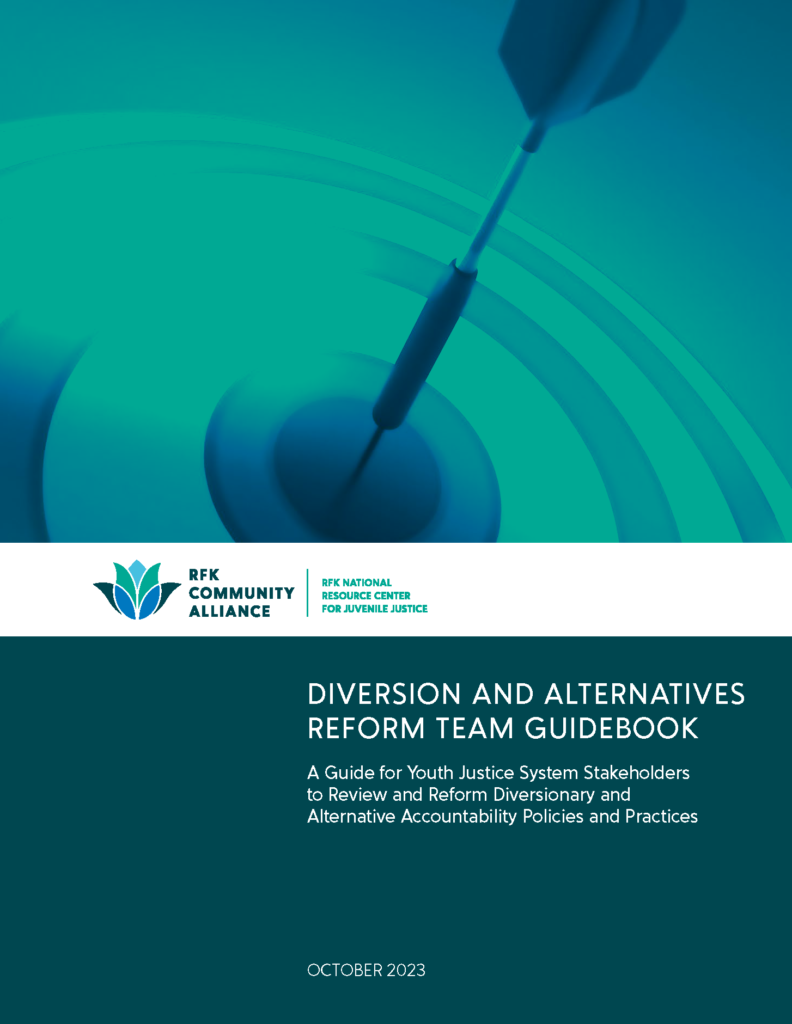
The NRC’s DART Initiative is a collaborative technical assistance process designed to help jurisdictions examine current diversion policies and practices, identify opportunities for improvement, and implement sustainable reforms. Guided by implementation science and informed by local data, stakeholder perspectives, and community resources, the initiative supports jurisdictions in creating a coordinated approach to diversion and alternative accountability strategies.
Typically conducted over a six- to nine-month period, the DART Initiative includes four on-site technical assistance visits and follows a proven five-step process:
- Step 1: Preparation and Mobilization
- Step 2: Introduction and Analysis
- Step 3: Ongoing Analysis and Findings
- Step 4: Action Planning
- Step 5: Implementation
The process culminates in a set of findings, recommendations, and action steps tailored to the unique goals, objectives, and priorities of the participating jurisdiction.
Who We Work With
While DART initiatives are often started by youth justice, court, or probation leadership, successful diversion reform requires broad stakeholder engagement. We encourage jurisdictions to involve:
- Probation Leadership and Staff
- Court Leadership and Judges
- Prosecutors and Public Defenders
- Law Enforcement Representatives
- Behavioral Health Providers
- Child Welfare Representatives
- Education Representatives
- Community-Based Service Providers
- Victim Services Representatives
- Youth and Family Representatives
- State and Local Policymakers
Benefits of Taking on a Diversion and Alternatives Reform Team Initiative
The DART Initiative helps jurisdictions strengthen diversion and alternative response practices while ensuring that limited system resources are focused on youth who require a more intensive response.
Participating jurisdictions often achieve:
- Expanded diversion, deflection, and alternative response opportunities
- Reduced unnecessary entry into the youth justice system
- Increased use of community-based services and interventions
- More effective allocation of probation and court resources
- Greater consistency in diversion decision-making and eligibility criteria
- Enhanced collaboration among youth-serving agencies and community partners
- Improved measurement of youth outcomes and program effectiveness
- Stronger alignment with adolescent development research and evidence-based practices
- Improved outcomes for youth, families, victims, and communities
Resources
The following resources are developed for jurisdictions seeking to strengthen diversion and alternative accountability practices:
- Diversion and Alternatives Reform Team Guidebook (available in our Online Resource Library)
- Webinar – “Blue Ribbon” Opportunity for Diversion Policy and Practice: Approaches for Impactful Change (available on YouTube)
Learn More
For more information, please contact John A. Tuell, Executive Director, at jtuell@rfkcommunity.org or Jodi Martin, Deputy Executive Director, at jmartin@rfkcommunity.org.